
Have you ever cleaned your air vents only to see dust come back a few days later? That can happen because vent cleaning and air duct cleaning are not the same service. Vents are the visible openings you see in each room, while ducts are the hidden paths that carry air through your home. Knowing the difference can help you choose the right service and avoid paying for work you may not need. Let’s look at what each service does and when it may help.
What Is Air Duct Cleaning?
Air duct cleaning focuses on the inside of the ductwork that carries air through your HVAC system. These ducts can run through walls, ceilings, floors, attics, or crawl spaces. Over time, some duct systems may collect dust, pet hair, construction debris, or other particles. A professional duct cleaning service may remove this buildup from parts of the duct system.
However, not every dusty duct needs regular cleaning. The need depends on the condition of the system and what is found during an inspection. If there is a large amount of debris, visible contamination, or another clear reason for cleaning, a qualified HVAC professional can recommend the right approach.
What Is Vent Cleaning?
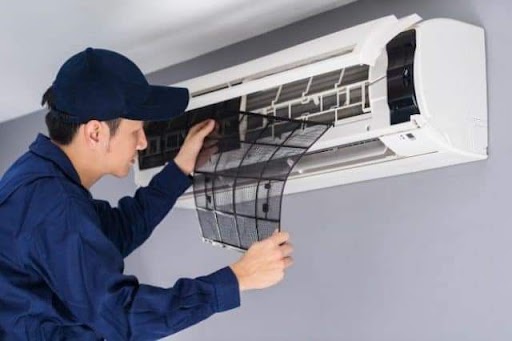
Vent cleaning usually means cleaning the visible supply registers and return grilles inside your home. These are the covers you can see on walls, floors, or ceilings. Dust can collect on them because air moves through these openings every day. Vent cleaning is usually a simple home maintenance task. You can often remove loose dust with a vacuum and soft brush or wipe the covers with a damp cloth. But cleaning the vent cover does not clean the duct behind it. Dust deeper inside the ductwork will remain unless the duct system itself is cleaned.
Which One Does Your Home Need?
The right choice depends on the problem you are seeing. If your vent covers are dusty but there are no other concerns, simple vent cleaning may be enough. Regular dusting and vacuuming can help keep them clean.
If you see heavy debris inside accessible ductwork, have recently completed major remodeling, or notice ongoing problems with dust and airflow, a professional inspection may be more useful.
Unusual odors or signs of moisture also deserve attention. In these cases, cleaning alone may not solve the problem. A technician should first find out where the odor or moisture is coming from. Do not assume that more cleaning is always better. The goal is to fix the actual source of the problem.
Why Professional Inspection Matters
Air ducts are part of a larger HVAC system. Problems such as poor airflow, damaged ducts, leaks, dirty filters, or moisture can affect how your system works.
A qualified HVAC professional can inspect the system and explain whether you need professional air duct cleaning, vent cleaning, repairs, or simple maintenance. This can save you money because you are not paying for a service that does not address the real issue.
As a basic rule, vent cleaning deals with the visible covers, while air duct cleaning deals with the hidden ductwork. Both can have a place in home maintenance, but they solve different problems.
Start by checking your vents, changing your HVAC filter as recommended, and keeping the visible areas clean. If dust, odors, or airflow problems continue, get the system inspected before deciding on a cleaning service.