An HVAC (Heating, Ventilation, and Air Conditioning) system is essential for maintaining comfort in your home, but if it’s not operating efficiently, it can lead to higher energy bills and unexpected repair costs. Here’s how to determine if your HVAC system is costing you too much and what you can do about it.
Analyze Your Energy Bills
Look for Increases:
Examine your recent energy bills for any significant increases. A sudden spike in costs could indicate that your HVAC system is not running efficiently. Compare your bills over the past year to identify trends and unusual spikes.
Compare to Previous Years:
Compare your current energy bills to those from previous years. If you notice a steady increase, your HVAC system may be the culprit. Regularly increasing bills can be a sign of inefficiencies or aging equipment.
Evaluate System Efficiency
Check SEER Rating:
The Seasonal Energy Efficiency Ratio (SEER) rating measures the efficiency of your air conditioning system. Older systems often have lower SEER ratings compared to newer models. If your system has a low SEER rating, it may be costing you more in energy consumption.
Assess Heating Efficiency:
For heating systems, check the Annual Fuel Utilization Efficiency (AFUE) rating. A lower AFUE rating means less efficient heating and higher energy costs.
Inspect for Common Issues
Inconsistent Temperature:
If you experience uneven temperatures throughout your home, your HVAC system might not be functioning properly. This could be due to issues with the thermostat, ductwork, or system components.
Frequent Repairs:
Regularly needing repairs can be a sign that your HVAC system is reaching the end of its lifespan. Frequent breakdowns not only incur repair costs but can also indicate that it might be more cost-effective to replace the system.
Strange Noises:
Unusual noises such as grinding, squealing, or banging can indicate mechanical problems. These issues can lead to higher repair costs and reduced efficiency.
Consider System Age
Evaluate System Age:
HVAC systems typically have a lifespan of 10-15 years. If your system is approaching or exceeding this age, it may be more cost-effective to invest in a new, energy-efficient system rather than continuing to repair an old one.
Benefits of New Systems:
Modern HVAC systems are designed to be more energy-efficient, which can result in lower monthly energy bills. Newer models often have advanced features that can enhance comfort and efficiency.
Optimize Maintenance
Regular Maintenance:
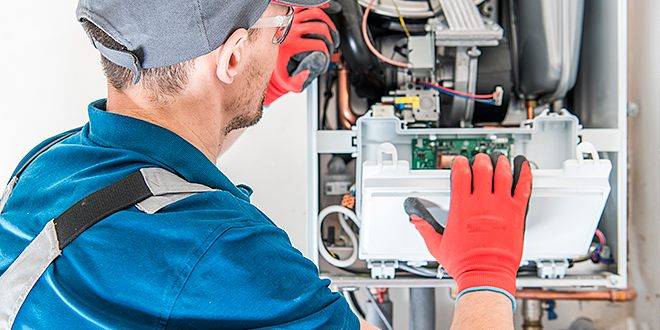
Routine maintenance by hvac contractor in Hollywood is crucial for keeping your HVAC system running efficiently. Schedule annual check-ups to clean, inspect, and tune-up your system. Regular maintenance can prevent costly breakdowns and ensure optimal performance.
DIY Maintenance:
Perform basic maintenance tasks, such as changing filters and cleaning vents, to keep your system running smoothly. This can help improve efficiency and reduce operational costs.
Upgrade to Smart Technology
Install a Programmable Thermostat:
A programmable thermostat can help manage your HVAC system more efficiently by adjusting temperatures based on your schedule. This can reduce energy consumption and lower bills.
Consider Zoning Systems:
Zoning systems allow you to control the temperature in different areas of your home independently. This can help reduce energy usage by only heating or cooling rooms that are in use.
If your HVAC system is costing you too much, it’s important to evaluate its efficiency, age, and maintenance needs. By analyzing your energy bills, inspecting for common issues, and considering upgrades or replacements, you can reduce costs and improve comfort in your home. Regular maintenance and modern technology can also play a significant role in enhancing your HVAC system’s efficiency and longevity.