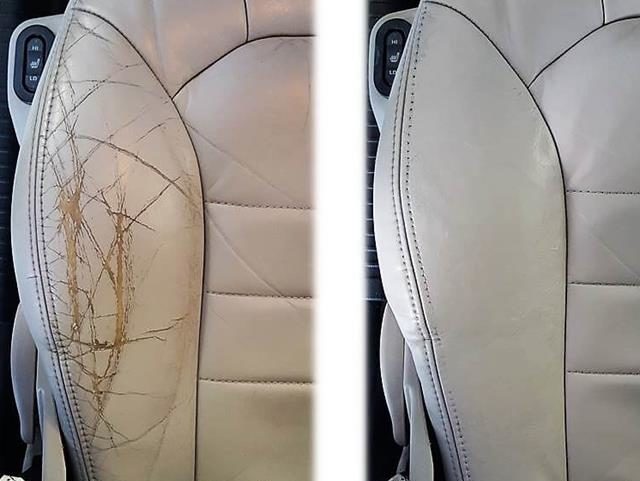
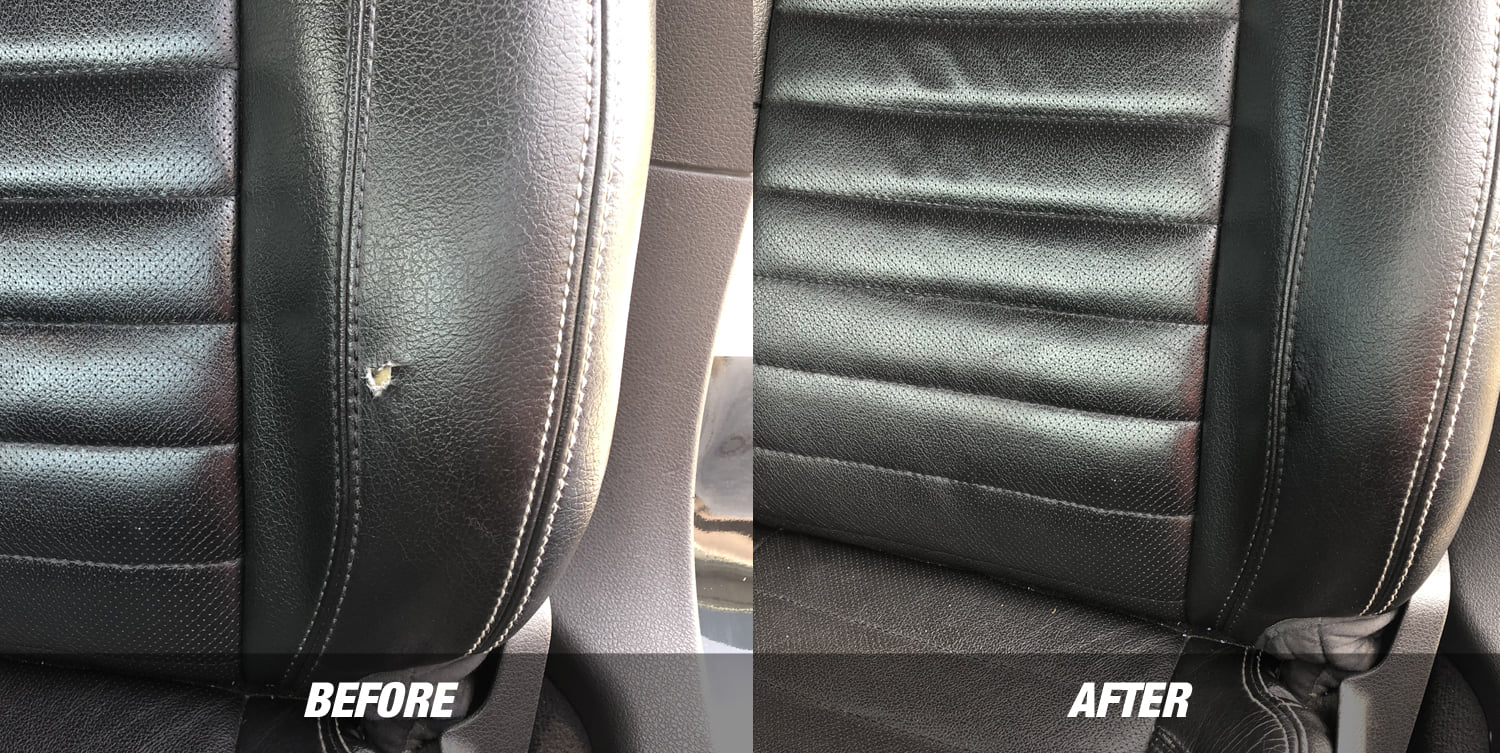
Welting or piping, the cord trim on furniture, can be a complicated repair due to the curves involved. The important is to avoid getting any filler in the seams, which, if allowed to cure, will obscure the shadow line and result in a solid, patched look.
Vinyl and leather piping or welting can sometimes suffer damage, but fret not! With a few simple steps, you can mend those pesky holes and chafed bits yourself, saving both time and money. Here’s how:
Step 1: Patch It Up
When you notice a hole exposing the cord underneath the piping, it’s time for a sub-patch. Place a patch with the suede or fabric side facing up to close the gap and maintain the structure. Apply glue inside the piping, press firmly, and let it cure. If the cord is plastic and can’t be patched, a thin layer of Dap Dynaflex 230 will do the trick to bridge the gap.
Step 2: Smooth Things Out
Trim away any flappy or rough edges, then apply a small amount of filler to the damaged area. Use a palette knife or needle tool to spread it evenly. To level the filler, gently run a flexible business card across the piping, removing any excess and feathering the edges for a seamless finish.
Step 3: Perfecting the Finish
Repeat the filling and smoothing process until the damaged area feels even. Alternate between smoothing parallel or perpendicular to the piping for the best results. Don’t hesitate to use your gloved fingers to trace along the piping for extra precision. Once cured, use rubbing alcohol to smooth out any imperfections, then apply a thin texturizing coat if needed. Finally, apply color and clear finish for a flawless look.
Don’t let damaged piping ruin the appearance of your furniture or car interiors. With these simple steps, you can easily repair leather and vinyl piping yourself, giving your belongings a fresh new look without breaking the bank. Remember, for the best results, use a vinyl repair service to ensure a professional finish that lasts.