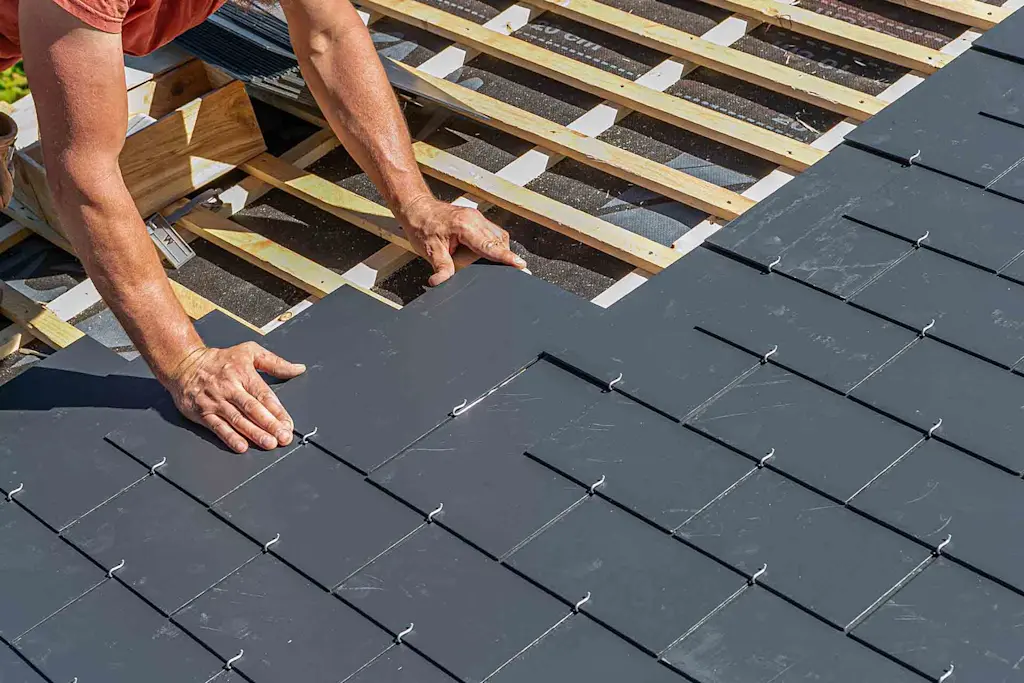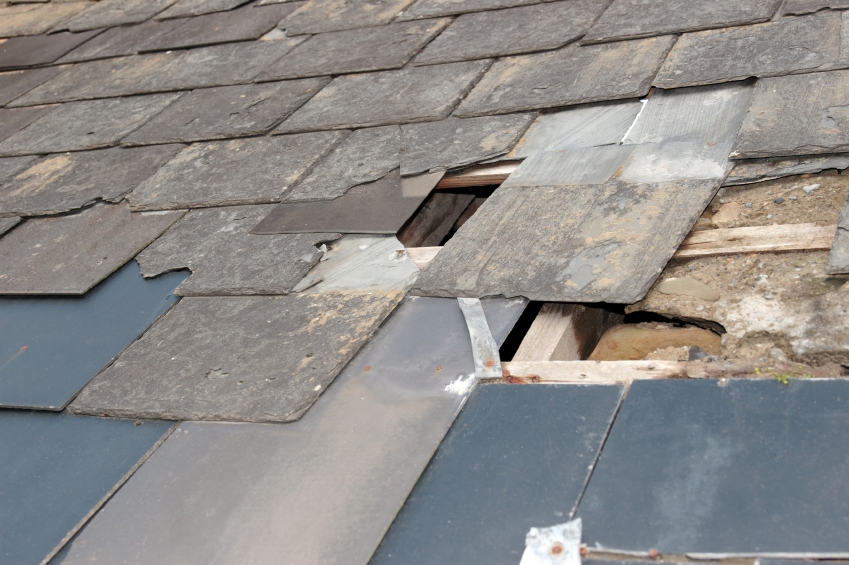
Regular roof inspections are an important part of home maintenance. By inspecting your roof regularly, you can save money and prevent costly repairs. A roof inspection involves checking for any signs of damage, such as missing or broken shingles, leaks, or cracks. It’s important to catch these issues early on, before they turn into bigger problems that require more expensive roof repair in Weston.
For example, if you have a leak in your roof, it can lead to water damage inside your home. This can cause mold growth, which can be harmful to your health and expensive to clean up. By catching the leak early on, you can prevent this type of damage from occurring. Regular roof inspections can also help extend the life of your roof. By identifying and repairing small issues, you can avoid the need for a full roof replacement. This can save you thousands of dollars in the long run.
Overall, regular roof inspections by hiring the roofing contractor are a simple and effective way to maintain your home and prevent costly repairs. It’s recommended to have your roof inspected at least once a year, and after any major storms or weather events.
How to Conduct a Proper Roof Inspection
If you’re a homeowner in Weston, Florida, it’s important to regularly inspect your roof to make sure it’s in good condition. Here are some simple steps you can take to conduct a proper roof inspection:
Look for visible damage: Start by examining your roof for any visible damage, such as missing or cracked shingles, rusted flashing, or damaged gutters. If you notice any of these issues, it’s important to address them as soon as possible to prevent further damage to your roof.
Check for leaks: Look for any signs of leaks inside your home, such as water stains on the ceiling or walls. If you notice any leaks, it’s important to have them repaired right away to prevent further damage to your home.
Inspect the attic: Take a look inside your attic to check for any signs of water damage or leaks. Look for water stains on the walls or ceiling, as well as any signs of mold or mildew.
Check for proper ventilation: Make sure your roof has proper ventilation to prevent moisture buildup, which can lead to mold and mildew growth. Check for vent pipes and make sure they are not blocked by debris.